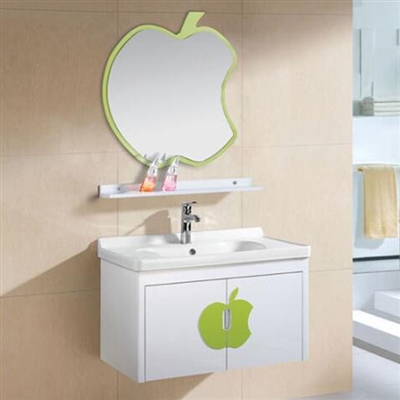
These are high-quality bathroom storage fixtures made for design appeal that depend on several critical factors: material construction, durability, craftsmanship, functionality, design, and ease of maintenance. Each adds something to its overall utility and value, making it a focal point of bathroom décor. Material Construction and Durability The materials used play a very important role in defining the quality of the storage fixture. Solid hardwood is preferred for its strength and resistance to water, which is often an issue in bathrooms. On the other hand, plywood is cheaper but strong enough, especially when combined with water-resistant coatings. MDF is another choice; it's used in most of the low-budget designs, but it requires a very good sealant against swelling due to humidity. In general, particleboard-based fixtures are not quite as durable and should be avoided in areas with high traffic. Also, only good quality hardware-such as stainless steel or brass hinges and handles-assures durability. Craftsmanship and Finishing Expert craftsmanship is vital for making a cabinet durable and fashionable. The assembly should be accurate, the joints tightly fitted, and the edges smooth. Drawers and doors should slide in and out easily because of attention to detail in manufacturing processes. A high-quality finish, such as UV-resistant lacquer or water-resistant sealant, makes the fixture resistant to wear and tear and also increases attractiveness. Meticulous detailing contributes to the advantages of handcrafted units. 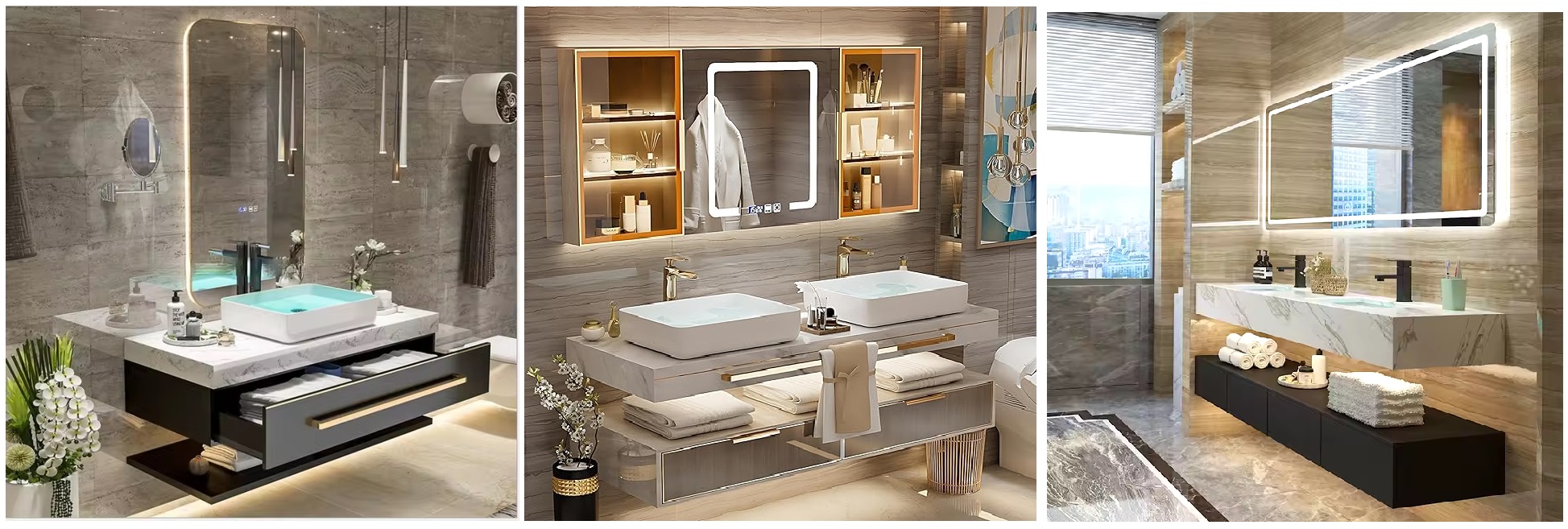
Functionality and Design A great fixture strikes a balance between form and function. Practicality is ensured through ample storage compartments, tailored to user needs. Adjustable shelves, soft-close drawers, and pull-out organizers help to enhance functionality. Besides, the well-designed fixture fits into the general theme of the bathroom, be it modern, rustic, or transitional. Neutral color and timeless style give the piece longevity into the changing design trends. Countertop Material and Integration The countertop is very much a part of the bathroom element here. These include quartz, granite, and marble materials that not only give it a luxurious appeal but also ensure that the material is strong and resistant to stains or scratches. Engineered stone will work equally well in giving an expensive look on a reasonable budget. The inclusion of a sink—under-mounted, top-mounted, or vessel-style—affects both aesthetics and functionality. Double sinks often come in handy and work best in shared bathrooms, increasing convenience.
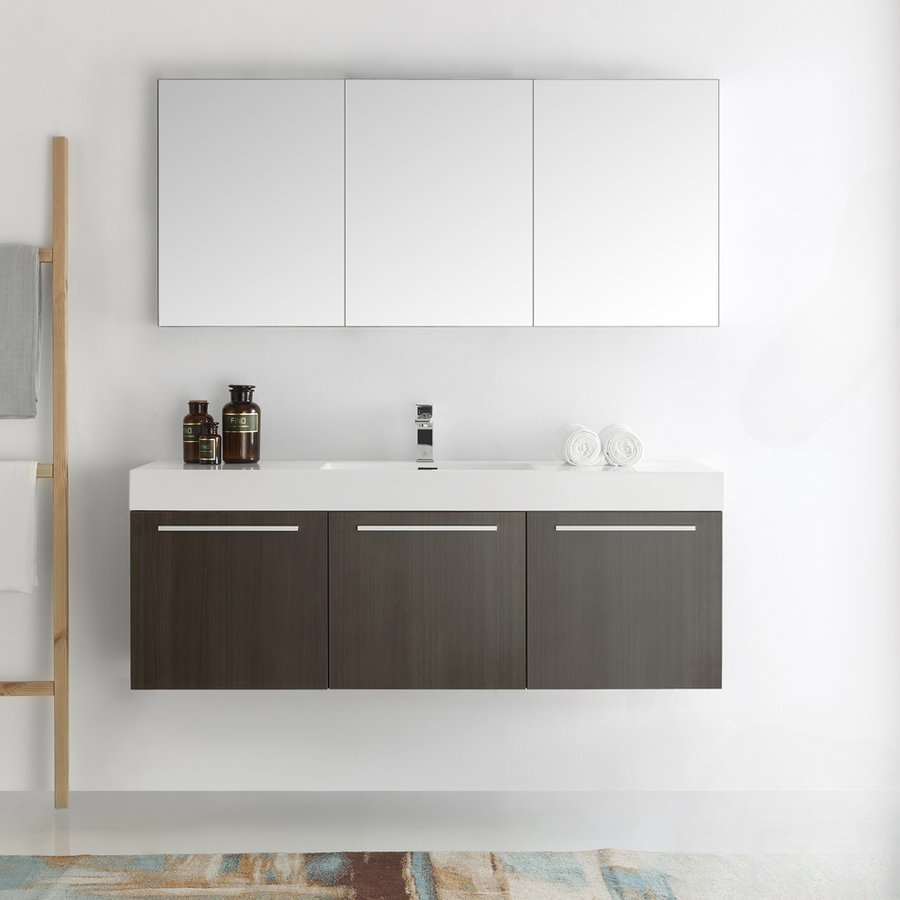 Ease of Maintenance A well-designed bathroom fixture should be easy to clean and maintain. Smooth surfaces that resist staining and water damage make upkeep easier. Selection of materials such as quartz or laminated wood ensures that spills and splashes will not result in long-term damage. Detachable or easy-to-clean components, such as removable drawers, facilitate maintenance. Environmental Considerations Sustainability plays a very important role in today's design. Eco-friendly materials such as reclaimed wood or low-VOC finishes minimize the impact on the environment and cater to eco-conscious homeowners. Other attributes, like CARB2 formaldehyde emissions compliance, further confirm a commitment to environmental safety and health. Value and Longevity The price should provide good value for the money. This includes considering cost in relation to features such as durability, functionality, and aesthetics. Though well-constructed fixtures may necessitate a larger initial investment, their durability and timeless design minimize replacement needs, thus providing significant savings over time. In general, good bathroom storage and display pieces will boast high-quality materials combined with expert craftsmanship and well-thought-out design. These features ensure that the space will be durable, functional, and aesthetically pleasing and will remain so if properly taken care of.
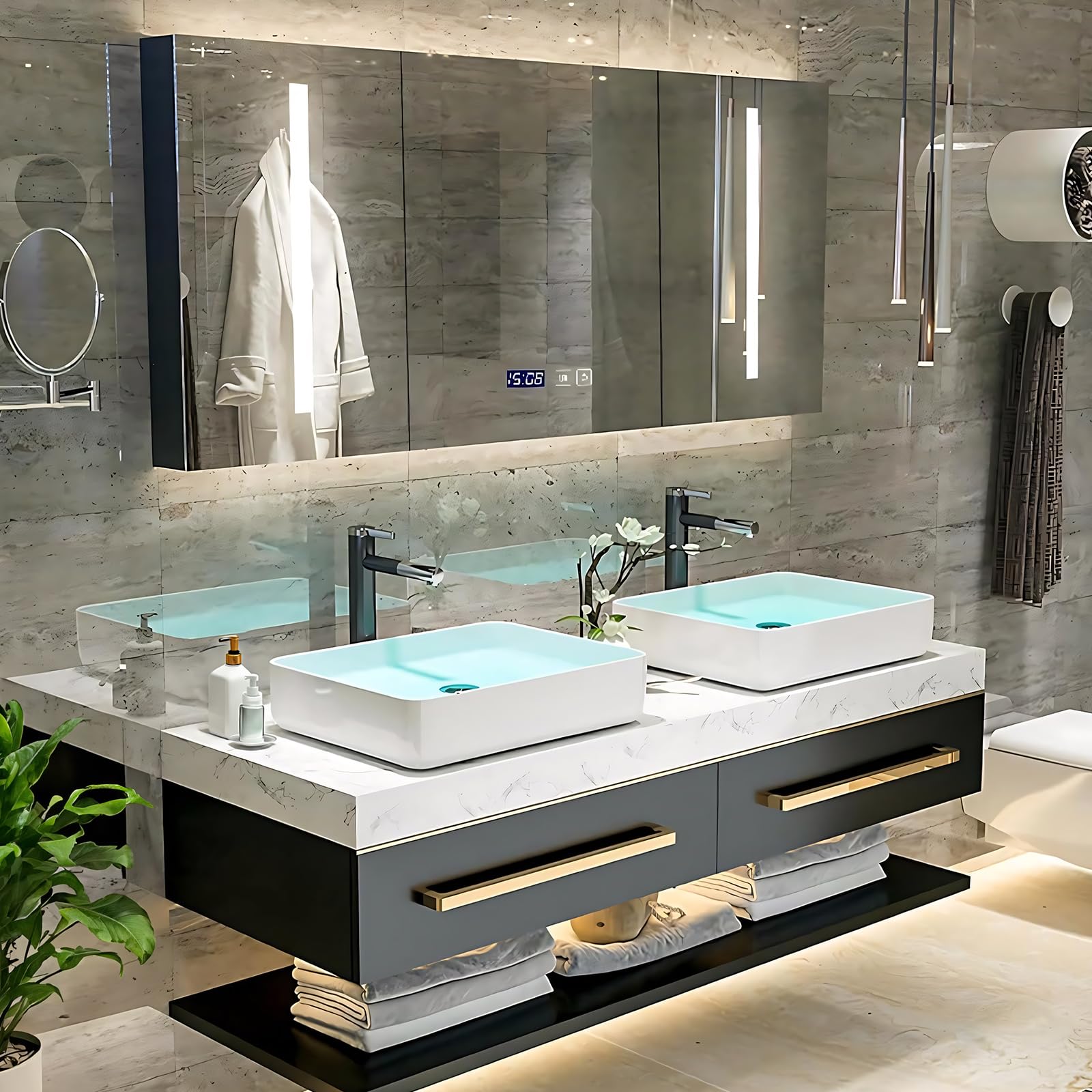
Bathroom Design with Environmental Considerations
Environmental considerations are an important aspect in bathroom design to make it sustainable and responsible for living. Eco-friendly materials and practices reduce the footprint on the environment, besides offering healthier indoor air quality and a growing preference towards green living among homeowners. Sustainable Materials One of the best examples of sustainable material usage is reclaimed wood. Manufacturers reuse wood from old buildings, furniture, and other forms of salvage, reducing the demand for new lumber, thus saving forests and biodiversity. Also, the natural patina and character that reclaimed wood develops over time give it an aesthetic advantage, making it appealing to consumers with consideration for the environment. Bamboo, another sustainable option, grows rapidly and regenerates quickly, providing a renewable source for cabinetry and countertops. Low-VOC Finishes: The finishes and adhesives used in bathroom fixtures contain a high amount of VOCs. These elements emit gases into the air, which harm indoor air quality and present health hazards. Low-VOC or no-VOC finishes play an important role in reducing this problem, making the materials nonhazardous to the environment and the occupants. Such finishes are very vital in small rooms like bathrooms, where there is a possibility of less ventilation. Certifications and Standards Certifications such as CARB2 compliance indicate that a product meets strict formaldehyde emissions standards. In particular, compliance with Phase 2 of the California Air Resources Board is considered one of the well-accepted marks that signify low-emission products, especially in ensuring that formaldehyde levels are minimal in engineered wood products like MDF or plywood. This, in turn, minimizes the risks of respiratory problems and helps toward a healthier living atmosphere. Energy-Efficient Manufacturing Sustainability also applies to the process of production. Energy-efficient methods, reduced water usage, and the utilization of renewable energy sources at factories all further reduce the ecological footprint. Responsible sourcing of raw materials and minimization of waste are other measures that add to making the product eco-friendly. By giving priority to these environmental concerns, manufacturers not only stand for the commitment to sustainability but also tend to the growing demand for responsible, earth-friendly products. In turn, the benefits extend beyond home owners and onto the planet itself.
|